
"Growing in"
29000 article(s) found
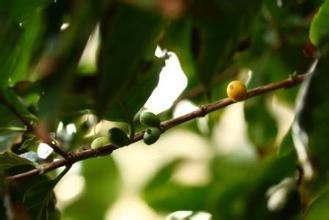
Coffee growing environment affects coffee growing environment and coffee quality Suitable soil and conditions
Coffee originated in tropical Africa, the origin of small species is the tropical plateau of Ethiopia, between 900 and 1800 meters above sea level, with an average annual temperature of 19. C. The medium-grained species originated in the tropical rain forest area of Congo, below 900 meters above sea level, with an annual average temperature of 21~26. C。They are native to shady or semi-shady forests and river valleys, so coffee needs calm wind, warm and humid
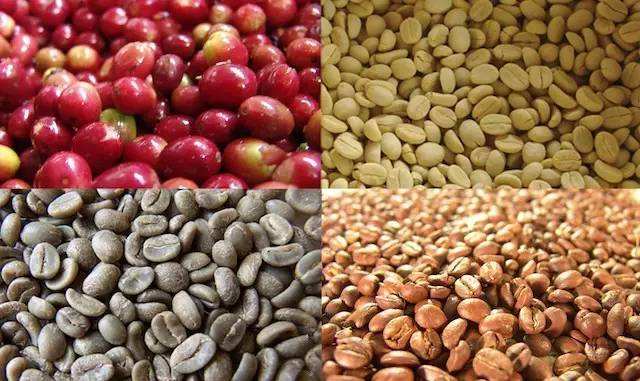
Where are the best coffee growing areas in Cuba?
Pay attention to coffee comment (Weixin Official Accounts vdailycom ) and find a beautiful coffee shop to open its own shop Cuba's best coffee growing area is located in the central mountain area, because this area not only grows coffee, but also quartz, crystal and other precious minerals, so it is also called Cuban Crystal Mountain Coffee. Crystal Mountain Coffee is all hand-picked, high-quality coffee for export will be washed

Introduction of coffee culture and growing environment in Tanzania!
Coffee beans in Tanzania are of extraordinary quality. They are produced in the Mohi district near Mount Kilimanjaro. The mountains with a height of 3,000 to 6,000 feet are the most suitable areas for growing coffee. The fertile volcanic ash gives the coffee here a strong texture and soft acidity. It exudes a delicate fragrance and contains aromas of wine and fruit.

Coffee growing areas and major producing areas in Tanzania
Coffee is one of the main cash crops in Tanzania, ranking fourth after cotton, tobacco and cashew nuts, mainly sold to Italy, Japan and the United States. Coffee exports play an important role in the national economy of Tanzania. Tanzania's main coffee producing area is located at the foot of Mount Kilimanjaro, which is rich in volcanic soil.

Introduction to Los Congo Manor, the smallest Coffee growing area in Nicaragua
It is one of the smallest municipalities directly under the Central Government in Nicaragua, covering an area of 106 square kilometers. 90% of the population, 5000 of the residents live in rural areas. Dipilto is famous for its pine forests, warm climate, religion, people's loyalty and its high-quality coffee. Coffee cultivation is one of the traditions maintained by the local people of Dipilto. The fertile soil is full of organic matter, while

Growing situation in Napier Valley, Papua New Guinea Coffee growing area-PNG Organic Coffee Bean Story
Professional coffee knowledge exchange more coffee bean information please follow Coffee Workshop (Wechat official account cafe_style) Papua New Guinea Coffee nebilyer valley Nabiya Valley tmbul kuta processing Plant PAPUA NEW GUINEA Nebilyer Valley A Pablo X Papua New Guinea Nabiya Valley PAPUA NEW GUINEA Nebilyer Valley X production area: West Highlands producer: selected small Farmers
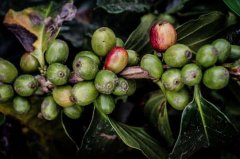
Introduction of Fairtrade Fine Coffee Bean Flavor growth characteristics in five Coffee producing areas of Rwanda
Overall, coffee from Rwanda is more rated than coffee from neighboring Zimbabwe and Zambia, but it has not yet been recognized by coffee from Kenya and Tanzania. Rwanda also produces Fairtrade coffee beans. There are several high-altitude Rwanda from Rwanda on the front street, which is suitable for growing boutique coffee. The main coffee-growing areas have volcanic soil rich in nitrogen. Major coffee growing areas

Which province in China is suitable for growing coffee beans-- introduction to the environmental conditions of planting
Which province in China is suitable for growing coffee beans-- introduction to the planting environment. At present, Yunnan coffee is mainly distributed in 11 prefectures and cities, such as Baoshan, Simao, Yuxi and Dehong. Among them, the quality of coffee in Baoshan and Simao area is the best. Lujiangba, a dry and hot valley, is a tropical treasure house in Baoshan. The average temperature in the dam is 21.5℃, the highest is 40.4 ℃, and there is almost no frost all the year round. The small grains of coffee cultivated here

Katim Blue Mountain Coffee Bean growing Environment Flavor description of Coffee beans
Flavor description of Katim Blue Mountain Coffee Bean planting Environment Coffee beans taste treatment method Yunnan small grain coffee 3-year-old 4-year-old fruit tree. Coffee is a short-day plant. Coffee has the characteristics of multiple flowering and concentrated florescence. The florescence of small seed coffee in Yunnan is from February to July, and the flowering period is from March to May. The flowering of coffee is greatly affected by climate, especially rainfall and temperature. Coffee flower life

The continent suitable for growing coffee beans-China grows coffee beans
The continent suitable for growing coffee beans-China grows coffee beans 1. Coffee contains certain nutrients. Coffee beans contain carbohydrates, protein, fat, nicotinic acid, potassium, crude fiber, moisture and other nutrients. 2, coffee is good for the skin. Bathing with coffee powder is a kind of thermotherapy, which has the effect of losing weight. Coffee can promote metabolic function and activate digestive organs. 4. Coffee

Mantenin Coffee Growing Environment Plantation Area Grinding Scale Processing Flavor Introduction
Mantelin coffee growing environment plantation area grinding scale treatment method flavor introduction everyone's first impression of mantelin is always fragrant, bitter, mellow, thick and even pungent, no sugar and milk can not be ingested. In fact, Sumatra linton mantinin can also bring a little fruit acid flavor, let you comfortable black coffee on the stomach! Because Mantenin coffee is processed differently,

Introduction to the taste of manor flavor description in aaa growing environment of Kilimanjaro coffee
Qilimanjaro coffee AAA growing environment manor flavor description taste introduction this kind of coffee beans have extraordinary quality, produced in the Mohi district near Mount Kilimanjaro, the mountain area with a height of 3, 000 feet to 6, 000 feet is the most suitable for growing coffee, the fertile volcanic ash gives the coffee here a strong texture and soft acidity. It exudes delicacy.
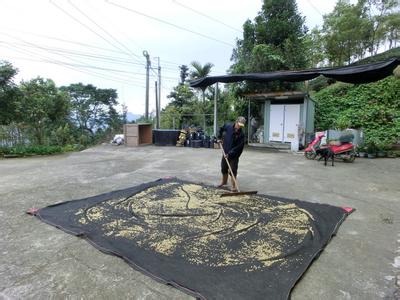
Brief introduction of Santa Barara Manor in Honduras in selected Highland Coffee growing area
Brief introduction of Santa Barara Manor in Honduras in the specially selected Highland Coffee growing area Honduras is a large coffee grower in Central America. 15 of the country's 18 provinces have coffee plantations. More than 100000 coffee growers have created nearly a million jobs for the country. Honduran coffee can lead to multiple levels of flavor depending on the degree of roasting. Medium baking can
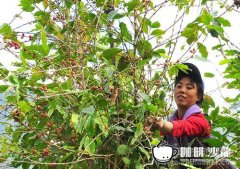
The Coffee planting Industry in China is booming and changing the Poverty-stricken villages
In China, in big cities such as Beijing, Shanghai and Guangzhou, cafes are decorated with urban customs and become fashionable consumption elements. In recent years, China's coffee consumption market has been growing at a rate of 10% to 15% every year. Not only consumption, but also the development of coffee cultivation in China has attracted more and more attention from the world. The best growing environment for coffee is low latitude, high altitude, sufficient rainfall and sunshine.

How many coffee growing areas are there in Panama? Pokuit butterfly coffee beans
When the commodity price of coffee was relatively low, the Panamanian Fine Coffee Association organized a competition called Best Panama: coffee beans from different parts of Panama were ranked and auctioned online. Esmeralda Manor has been growing a kind of coffee called Geisha for many years, and the auction has made their coffee known to more people. After that

A brief introduction to the Grinding Calibration method for the description of characteristic Flavor of Coffee growing area in Latin America
A brief introduction to the Grinding scale of the characteristic Flavor description of Coffee growing areas in Latin America the cultivation and production of coffee in the 17th century has always been monopolized by Arabs and is of great value in Europe, and only the upper echelons of Europe can drink coffee. Until 1690, a Dutch captain sailed to Yemen, got some coffee seedlings, and began to plant successfully in Dutch India (now Indonesia).

Taste, yield, taste and flavor description of Ugandan coffee growing environment
Taste output of Ugandan coffee taste and flavor description characteristics the growing environment belongs to the basic flavor. It is characterized by chloride, bromide, iodide, nitrate and sulfate solution of potassium and lithium. Mainly from the fungiform papillae on the front edge of the tongue, sour (acidy), mellow (mellow), winey (wine), bland (light) and sharp (sharp) can be sensed.

Colombia coffee growing environment
Growing Environment Colombia's favorable climate provides a true natural pasture for coffee. Coffee trees in Colombia are mainly cultivated in the Andes mountains, on steep slopes up to 1,300 meters above sea level, where the annual temperature is about 18 degrees Celsius, the annual rainfall is 2000 to 3000 mm, the latitude is 1 - 11 15, the longitude is 72 - 78, and the specific altitude range can exceed 2.

The Coffee planting Industry in China is booming and changing the Poverty-stricken villages
In China, in big cities such as Beijing, Shanghai and Guangzhou, cafes are decorated with urban customs and become fashionable consumption elements. In recent years, China's coffee consumption market has been growing at a rate of 10% to 15% every year. Not only consumption, but also the development of coffee cultivation in China has attracted more and more attention from the world. The best growing environment for coffee is low latitude, high altitude, sufficient rainfall and suitable sunshine.

What is the wild heirloom coffee bean in Arabica, the main coffee bean growing area in Ethiopia?
Although Ethiopia is famous as the birthplace of coffee, it is still the darling of the boutique coffee world because of its incredible flavors. It is admittedly difficult to have full traceability in recent history, when new regulations made direct procurement possible. When did Ethiopia start growing coffee? Coffee is very old in Ethiopia, but coffee cultivation is not. To 9